
Thailand’s sunny weather, rich culture, and affordable lifestyle have long made it a favorite destination for foreigners—whether for retirement, business, or investment. It’s easy to see why so many people dream of owning a piece of paradise here. But before signing anything, it’s essential to understand how Thai property law works.
Foreign ownership in Thailand is more complex than in many other countries. The rules are designed to protect local interests, and there are specific limits on what non-Thai nationals can own outright. That said, foreigners still have several legitimate ways to invest safely and confidently in Thai real estate. Knowing these legal routes can save you money, stress, and future complications.
Understanding the Rules: Why Foreigners Can’t Own Land Directly
 Thailand’s Land Code clearly states that only Thai citizens can own land in their own names. This rule reflects national concerns about sovereignty and long-term economic control. It means that, in general, foreigners are not allowed to hold freehold land ownership—no matter how long they’ve lived in Thailand or whether they’re married to a Thai citizen.
This doesn’t mean foreigners can’t invest in Thai property. There are several exceptions and alternative ownership models that offer security and peace of mind. Some exceptions, such as large investments approved by the Board of Investment or special treaty rights for certain nationalities, exist in law but are rarely practical. For most buyers, these routes are out of reach, and trying to get around the rules through nominee arrangements is both illegal and risky.
The key is to work within the legal framework. Thai law provides several legitimate options for foreign investors—each with its own benefits and limitations.
Condominiums: The Most Straightforward Option
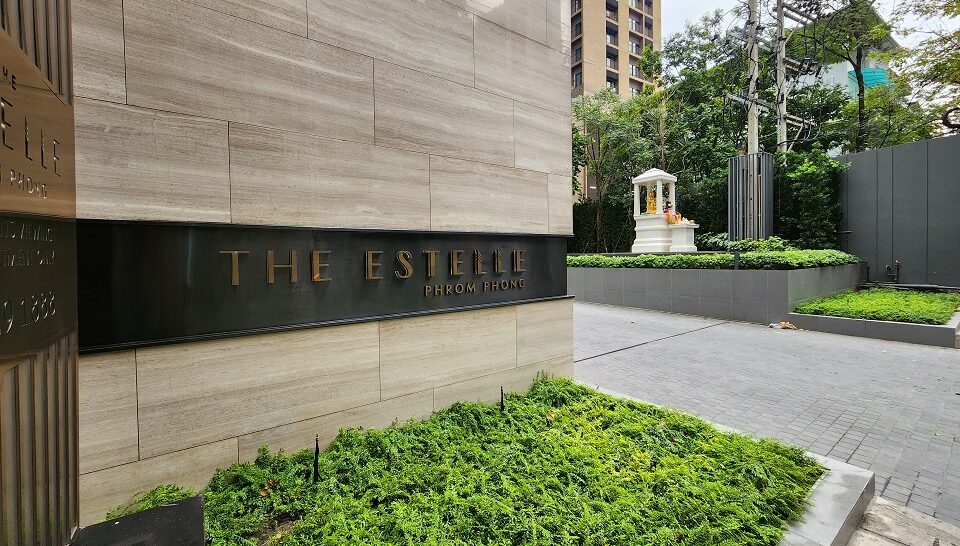
 For most foreign buyers, purchasing a condominium is the easiest and safest way to own property outright in Thailand. Condos are popular because ownership is tied to an individual unit, not the land beneath it.
Under the Condominium Act, foreigners can legally own up to 49 percent of the total sellable area in any given building. Before buying, it’s important to confirm that this foreign ownership quota hasn’t already been reached. A quick check with the building management or Land Department can save you headaches later.
To purchase a condo as a foreigner, the funds must be transferred into Thailand from abroad in a foreign currency. You’ll receive a Foreign Exchange Transaction Form from your bank as proof of this transfer, which you’ll need when registering ownership at the Land Department. This document shows that the purchase follows foreign exchange regulations and confirms your right to hold the unit in your name.
Once registered, you’ll have full legal ownership of the condo. You can live in it, rent it out, sell it, or pass it on to your heirs. While getting a mortgage from a Thai bank can be challenging for foreigners, condo ownership still provides the most secure and recognized form of property ownership available to non-Thai nationals.
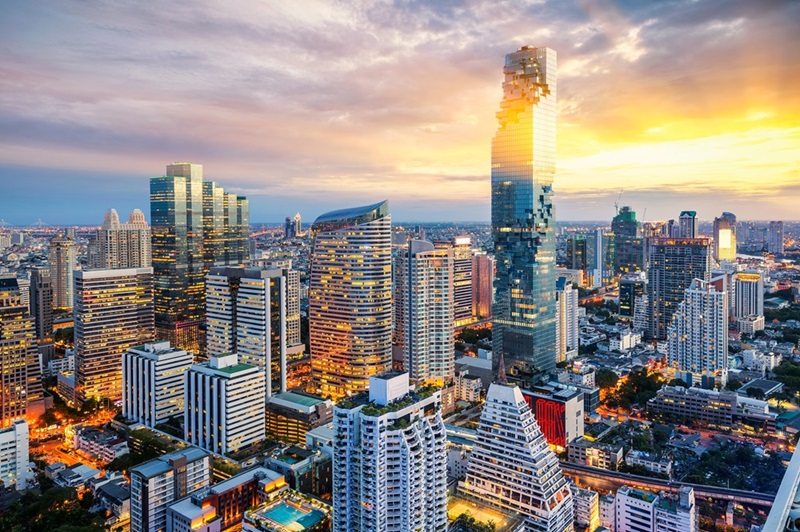
Condominiums also come with practical advantages—excellent locations, professional management, and modern amenities like pools, gyms, and security. Areas such as Bangkok, Phuket, Pattaya, and Chiang Mai offer a wide selection of high-quality developments designed with international residents in mind.
Leasehold: Long-Term Living Without Owning the Land
 If owning a condo isn’t the right fit, a long-term lease can be a practical and flexible way to enjoy property in Thailand. Thai law allows lease agreements for land or buildings for up to 30 years, giving foreigners the right to occupy and use the property just like an owner during that time.
A lease is a legally recognized right that must be registered at the Land Department if it’s longer than three years. Registration gives the leaseholder stronger protection, ensuring that the lease remains valid even if the property is sold to someone else. The registration fee is generally one percent of the total rent for the entire term, plus a small stamp duty.
However, it’s important to remember that leases are not ownership. Once the lease expires, the rights return to the landowner unless a new lease is signed. Renewal clauses can be written into contracts, but under Thai law, they aren’t automatic. A renewal must be agreed upon again and properly registered.
For many foreigners, leasehold is an attractive option because it allows long-term residence without needing a Thai partner or company structure. It’s often used for homes, villas, or commercial properties such as restaurants and resorts. Still, buyers should be aware that leasehold properties don’t increase in value the same way ownership does, and resale options are more limited as the remaining lease term shortens.
Usufruct: The Right to Live for Life
A usufruct is another legal tool that can give foreigners secure rights to use a property in Thailand without owning it. It’s a civil law concept that grants a person the legal right to live in or benefit from a property owned by someone else, usually for life or for a fixed period (up to 30 years).
A usufruct must be registered at the Land Department to be valid. Once registered, it gives the holder the right to live in the property, collect rental income, or make improvements, depending on what’s agreed upon in the contract. The most common use of a usufruct is when a foreigner is married to a Thai spouse. It allows the foreign spouse to live in the family home for life, even if the land is in the Thai partner’s name.
The main advantage of a usufruct is peace of mind—it gives you lifetime use of a home without the uncertainty of a lease renewal. The downside is that it cannot be transferred, sold, or inherited. When the usufruct holder passes away, the right automatically ends.
Usufructs are best for personal use rather than investment. They work well for foreigners who want to secure a home with their Thai family or ensure they can remain in a property for life. However, it’s important to have the agreement drafted by a qualified lawyer to clearly define rights, responsibilities, and maintenance obligations.
Superficies: Owning the House, Not the Land
 A superficies is another interesting option under Thai law. It allows someone to own a building or structure on land owned by another person. This means that while a Thai citizen or company keeps ownership of the land, the foreigner can legally own the house or other buildings on it.
A superficies must also be registered with the Land Department to be enforceable. The right can be granted for up to 30 years or for the lifetime of the holder and can be renewed by agreement. During that period, the foreigner can use, modify, or even sell the building they own, independent of the land itself.
This arrangement can be useful for foreigners who want to build a house on land owned by their Thai spouse or family. It ensures that even if the relationship or ownership situation changes, the foreigner’s investment in the building remains protected.
However, because the ownership of the land and the building are separate, selling such a property can be more complicated. The landowner and the superficies holder must both agree to any transaction. Still, when carefully structured, it offers a secure and flexible way to protect your property investment.
Company Ownership: Once Popular, Now a Risky Path
 In the past, some foreigners tried to bypass Thailand’s land ownership restrictions by setting up Thai companies to hold property. The idea was simple: a Thai company can own land, so if a foreigner becomes the main shareholder or director, they can effectively control the land through the company.
However, this method has become risky and increasingly scrutinized by authorities. Under the Foreign Business Act, a Thai company is considered “foreign” if foreigners own more than 49 percent of its shares. Once that happens, it faces the same restrictions as any individual foreigner and cannot legally own land.
Even when companies appear Thai on paper, using local “nominee” shareholders to hold land on behalf of a foreigner is illegal. These structures can be dismantled by the Land Department, and both Thai and foreign parties involved can face criminal charges. The government has been tightening enforcement in recent years, with high-profile investigations and property seizures.
The only legitimate way to use a company to hold property is when it’s a genuine business with real Thai shareholders, operations, and financial activity beyond land ownership. The company must maintain accounts, pay taxes, hold shareholder meetings, and operate transparently. Even then, it’s a complicated route and generally not recommended as a way to secure personal property.
Sap Ing Sith: A Modern Option Bridging Lease and Ownership
The Sap Ing Sith right, introduced in 2019, was designed to create a more flexible and transparent way for both foreigners and Thais to hold long-term property interests. It’s a type of registered property right that allows a person to use, occupy, or benefit from land or buildings for up to 30 years.
Unlike a lease, which is a contract between two people, a Sap Ing Sith is recorded directly on the land title itself. This gives it stronger protection, making it a “real right” that remains valid even if the land changes ownership. Holders of Sap Ing Sith rights can live on, rent out, mortgage, or transfer their rights within the term, making it more secure than traditional leaseholds.
In practice, it’s still a relatively new system, and not all Land Offices are familiar with the process. Registration costs are higher than a lease, but for those wanting a clearly recognized and enforceable long-term right, it offers a very strong alternative.
For foreign buyers who want a more predictable and official way to hold property without breaking the law, Sap Ing Sith provides an option worth considering.
Marriage and Property: What Foreign Spouses Should Know
 Many foreigners believe that marrying a Thai citizen allows them to own land in Thailand. Unfortunately, that’s not the case. Thai law remains clear: even if you’re married to a Thai national, you cannot hold land in your own name.
When a Thai spouse buys land during a marriage, both partners must sign a declaration at the Land Department confirming that the money used for the purchase belongs solely to the Thai spouse. This ensures the property remains in the Thai spouse’s name and complies with Thai ownership law.
However, this doesn’t mean the foreign spouse is completely unprotected. In a divorce, Thai courts often consider financial contributions made during the marriage. Even though the land itself cannot be co-owned, the foreign spouse may still receive compensation or an equivalent share of other marital assets.
Foreign spouses can also take additional steps to secure their rights—such as registering a usufruct, lease, or superficies over the property. These measures ensure continued use or residence even if ownership remains under the Thai partner’s name. It’s also wise to make clear financial records and consider a prenuptial agreement and a Thai will to protect both partners’ interests.
Due Diligence: Protecting Your Investment Before You Buy
No matter which ownership route you choose, doing proper due diligence is absolutely essential when buying property in Thailand. It’s the best way to avoid costly mistakes and ensure your investment is legally sound.
Start by verifying the property’s title deed. Make sure the seller’s name matches the official owner listed at the Land Department and confirm that the land boundaries and size align with what’s being advertised. Check for any encumbrances, mortgages, or ongoing disputes.
If you’re purchasing a condominium, confirm that the building hasn’t exceeded its 49-percent foreign ownership quota. Review the condominium’s financial records and maintenance history, and inspect common areas to gauge the quality of management.
It’s also a good idea to physically inspect the property for structural issues, unauthorized modifications, or boundary conflicts. Hiring a professional inspector or surveyor is money well spent.
Finally, work with a qualified Thai lawyer who specializes in real estate. A good lawyer will review contracts, conduct title searches, prepare lease or ownership documents, and ensure all registrations are properly handled at the Land Department. They can also explain any taxes, fees, and reporting obligations so you’re not caught off guard later.
Taxes, Fees, and Ongoing Costs
 Buying or selling property in Thailand comes with several taxes and administrative fees. While the exact amounts depend on the type of property and the transaction, here are the key costs to expect:
-
Transfer fee – Usually two percent of the property’s registered value, often shared equally by buyer and seller.
-
Specific business tax – 3.3 percent if the property is sold within five years of purchase, functioning like a short-term capital gains tax.
-
Stamp duty – 0.5 percent, applied when the specific business tax does not.
-
Withholding tax – Paid by the seller, based on income and how long they have owned the property.
After purchase, ongoing costs may include annual land and building tax, condominium maintenance fees, and utility bills. For foreigners, it’s also important to plan for inheritance and estate taxes, since Thai law applies to any property located in Thailand. Preparing a local Thai will or estate plan ensures your assets are passed on smoothly.
Market Trends and the Road Ahead
 Thailand’s property market remains one of Southeast Asia’s most attractive, offering solid long-term potential and a desirable lifestyle. Condominium developments continue to dominate major cities such as Bangkok, Chiang Mai, and Phuket, providing an abundance of modern options for foreign buyers.
In recent years, the government has introduced several visa programs aimed at attracting high-net-worth individuals and long-term residents, including the LTR (Long-Term Resident) visa and the DTV (Digital Nomad) visa. These initiatives signal a growing openness toward foreign investment—though the rules on land ownership are unlikely to change anytime soon.
After the pandemic, the market is stabilizing, with renewed demand from overseas investors and digital professionals looking to live and work in Thailand. However, stricter enforcement of nominee structures means buyers should focus only on legitimate, transparent ownership methods.
Final Thoughts
Buying property in Thailand can be both exciting and rewarding, but it requires a clear understanding of the country’s legal landscape. While foreigners can’t directly own land, there are several secure and fully legal options—such as condominiums, long-term leases, usufructs, superficies, and the newer Sap Ing Sith right—that make property ownership possible.
The key to success is proper planning, careful due diligence, and professional guidance. Avoid shortcuts or nominee setups that promise easy ownership—they often lead to serious legal and financial consequences. Instead, choose an approach that fits your goals and stay within the law.
With the right advice and a transparent structure, buying property in Thailand can provide not only a comfortable home but also a solid long-term investment. Whether your goal is a city condo, a retirement retreat, or an income property, Thailand continues to offer tremendous opportunities for those who do it the right way.